Introduction
In the ever-evolving area of health care, particularly in wound care management, it is important for practitioners to remain abreast of the most recent standards and practices. The National Special Needs Insurance Plan (NDIS) has set forth guidelines that intend to boost the top quality of care provided to people with impairments. This write-up will certainly explore exactly how integrating NDIS standards can boost your wound care specialist training By focusing on finest methods, current policies, and efficient training techniques, this detailed overview will certainly ensure that healthcare specialists are well-appointed to offer premium individual care.
Integrating NDIS Requirements into Your Wound Care Professional Training
Integrating NDIS standards right into your wound care specialist training serves several functions. Most importantly, it makes certain compliance with national guidelines, which is crucial for any doctor functioning under the NDIS structure. Second of all, it enriches the educational experience for participants in wound care training courses by supplying them with current expertise that straight affects their practice.
Understanding NDIS: A Brief Overview
The National Special needs Insurance Plan (NDIS) supplies vital assistance for Australians with specials needs. It intends to empower people by giving them control over their care options. Recognizing exactly how these requirements put on health specialists is important for anybody involved in complex injury care or persistent injury management.
Key Components of NDIS Standards
Here are some crucial components of the NDIS framework:
Individualized Assistance Plans: Each person receiving support has an one-of-a-kind strategy customized to their needs. Quality Assurance: Continual tracking and examination ensure that solutions satisfy well-known benchmarks. Informed Consent: Patients need to be totally educated before making decisions concerning their treatment. Cultural Competence: Treatment service providers have to appreciate and recognize cultural histories and preferences.By including these elements right into your training curriculum, you offer a holistic method that profits both caregivers and people alike.
Why is Wound Care Specialist Training Important?
Wound treatment is a vital element of health care that calls for specialized abilities and expertise. Whether you're taking part in basic wound care training or advanced nursing wound care training, understanding the subtleties can substantially affect person outcomes.
Importance of Specialized Training in Wound Care
- Improved Patient Outcomes: Effectively educated experts can lower infection prices and accelerate healing. Cost-Effectiveness: Effective injury monitoring lowers the demand for substantial medical therapies down the line. Enhanced Expert Credibility: A professional practitioner imparts self-confidence among clients and colleagues alike.
Wound Treatment Training Courses Available
There are numerous sorts of training courses available:
Basic Wound Care Training Advanced Wound Treatment Management Nursing Injury Treatment Training Complex Wound Monitoring TechniquesThese courses are developed to outfit doctor with sensible abilities in addition to theoretical knowledge.
The Function of Nurses in Wound Care Management
training for wound care specialistsNurses play a crucial duty in carrying out injury treatment therapies efficiently. Their responsibilities usually include evaluating wounds, creating treatment plans, and informing people about self-care practices.
Wound Care Educating for Nurses
Nursing programs progressively incorporate modules concentrated especially on wound care management:
- Understanding Composition & & Physiology Pertaining To Wounds Infection Control Practices Patient Education Strategies
Benefits of Specialized Nursing Injury Treatment Training
Specialized training boosts registered nurses' competencies, allowing them to:
Identify difficulties early. Implement evidence-based practices. Foster far better interaction with other health care professionals.Basic Principles in Chronic Wound Care Management
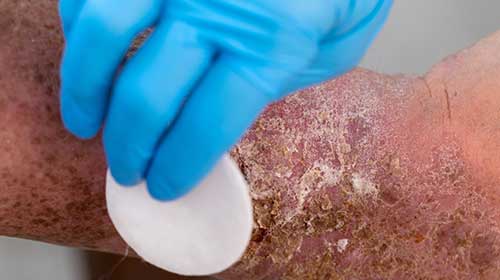
Chronic wounds existing special obstacles as a result of their extended recovery times and vulnerability to infection.
What Makes up a Chronic Wound?
A persistent wound does not proceed through the typical phases of recovery within an anticipated timeframe-- normally longer than 3 months-- and may call for specialized therapies like advanced dressings or medical interventions.
Common Kinds of Persistent Wounds
Diabetic Ulcers Pressure Injuries Venous Leg UlcersUnderstanding these types allows experts to customize their management techniques effectively.
Complex Wound Monitoring Techniques
Managing complicated injuries demands progressed abilities and detailed assessments.
Advanced Evaluations for Facility Wounds
Accurate analysis develops the backbone of efficient therapy strategies:
- Size Measurement Exudate Analysis Surrounding Skin Assessment
Intervention Strategies for Complicated Wounds
Debridement Techniques Compression Therapy Advanced Dressings SelectionThese approaches should belong to any kind of comprehensive training program focused on boosting practitioners' capacities in complex injury situations.
The Relevance of Evidence-Based Method in Wound Treatment Management
Evidence-based method (EBP) entails making professional decisions based on rigorous research study searchings for rather than unscientific evidence or tradition alone.
Integrating EBP into Training Programs
Courses should educate individuals exactly how to assess existing literature critically and apply searchings for within professional setups effectively:
- Utilizing Medical Guidelines Keeping Current with Study Developments Engaging in Continual Expert Development
What Are Some Evidence-Based Resources?
Cochrane Reviews National Standards Clearinghouse Peer-reviewed JournalsThese sources use indispensable understandings into finest techniques in injury treatment management.
FAQ Section
1. What is consisted of in a common wound care specialist training program?
A common program consists of composition education related to injuries, evaluation techniques, infection control measures, dressing choice methods, and client education methods tailored towards persistent conditions under NDIS standards.
2. How does NDIS influence injury treatment practices?
NDIS state guidelines making sure that people receive customized assistance permitting experts to include personalized techniques while adhering to strict quality control measures.
3. Who should think about taking a wound care training course?
Healthcare specialists including registered nurses, allied health and wellness team, and even caretakers curious about boosting their capability level pertaining to persistent wounds would certainly take advantage of such courses.


4. What's the difference between basic wound care training and progressed courses?
Basic programs commonly cover essential concepts while sophisticated training courses dive deeper right into specialized techniques for taking care of intricate cases effectively.
5. Are online courses available for wound care training?
Yes! Numerous organizations now supply flexible online alternatives providing towards various discovering styles while making sure that all necessary competencies are satisfied according to present standards like those set by NDIS guidelines.
6. What certifications do I need before signing up in nursing injury treatment training?
Generally talking; having a nursing degree-- either signed up or enlisted-- is needed before pursuing specialized training programs focused especially on injury management.
Conclusion
Integrating NDIS requirements right into your wound care professional training is not just helpful; it's necessary for delivering high-grade patient-centered solutions within Australia's healthcare structure today! With comprehensive education and learning programs that highlight both foundational expertise as well as innovative advancements-- healthcare providers can place themselves at the leading edge of this critical field!
By focusing on specific requirements while preserving conformity with progressing market requirements-- we make certain optimal end results both medically as well as directly-- for those left under our expert oversight!